Author: ChantsHope

  • Huawei: Helping Me Track and Manage My Moods

    Huawei: Helping Me Track and Manage My Moods

    Finding Support in an Unexpected Place

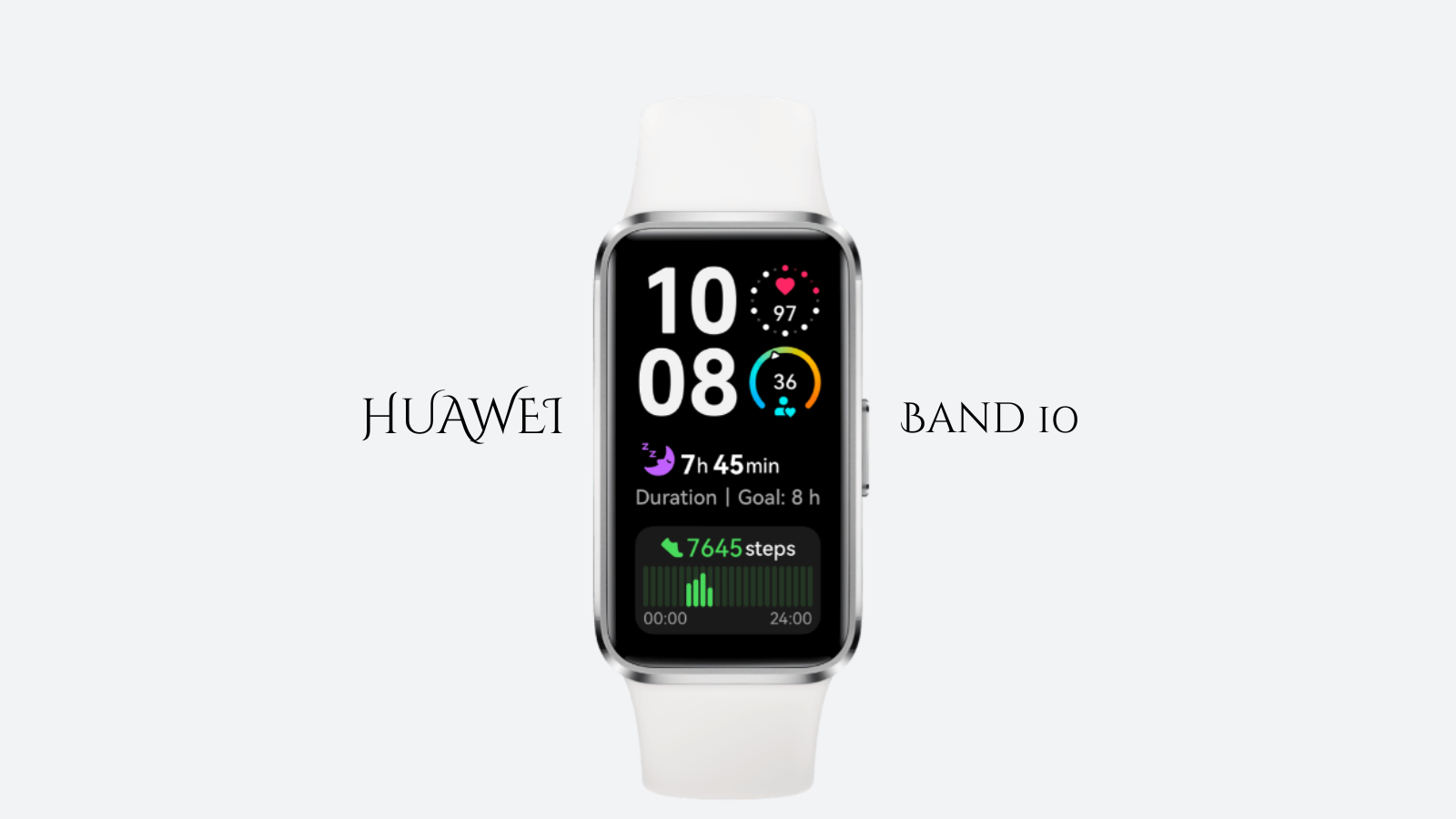
    HUAWEI Band 10

    I stumbled across the HUAWEI Band 10 while in JB Hi-Fi during one of my many treatment admissions at a mental health hospital. The hospital was about 3.5 hours from my home, so getting my belongings wasn’t an option. I was admitted on the spot and only had what was in my hands and on my body. Most of my time spent in the community was focused on buying essentials, not knowing whether I’d be there for weeks or months.

    Why I Chose This Watch

    The watch was under AUD $200, had a battery life of up to 14 days, and included an “emotional tracker”—a feature I’d never seen before. I was curious (and honestly a bit desperate) to see if it could pick up on my moods, particularly mania and depression. My hope was that once detected, I could work on restoring balance using learned techniques or, if required, medication. It felt like it could be a really useful tool in my toolbox.

    Understanding My Mood Patterns

    I’m not very good at recognising my moods, but this watch genuinely helps—as long as I remember to check the data. My moods can fluctuate quickly, and having both SAD and ADHD makes it difficult to pinpoint which condition is affecting me in the moment. I do know that hyperfocus (from my ADHD) can get me into trouble. When I’m in that state, it can last for days—I forget food, medication, showering, even sleep. I become so absorbed in what I’m doing that time seems to stand still. Then suddenly, mania can hit, often triggered by not sticking to my medication routine—and that can lead to hospitalisation.
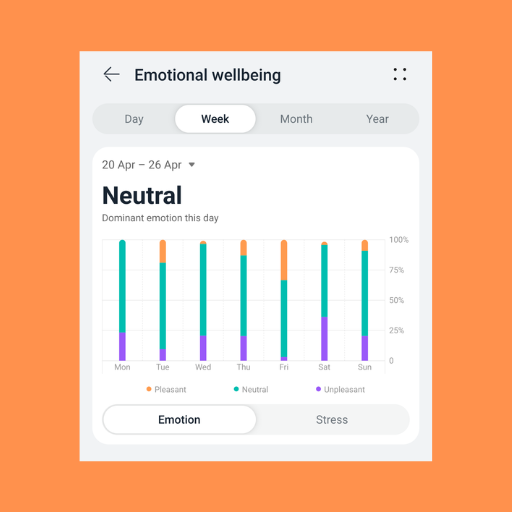
    A view of my emotions for the week.

    Weekly Emotional Insights

    A view of my emotions for the week

    The image above shows my emotions over the week: orange represents pleasant, green is neutral, and purple is unpleasant. Generally speaking, any pleasant or unpleasant emotion reaching 25% or more is worth paying attention to. It can help to reflect on what you were doing during that time, and whether factors like sleep, food, or exercise may have influenced your mood.

    From the image, Friday showed more than 25% of the day made up of pleasant emotions. For me, this can be a warning sign of mania. I reviewed the data more closely and looked at how those emotions were spread throughout the day. Because the pleasant emotions were scattered rather than grouped together, it suggested my mood was still stable. However, I continued to monitor myself over the following days to be sure.
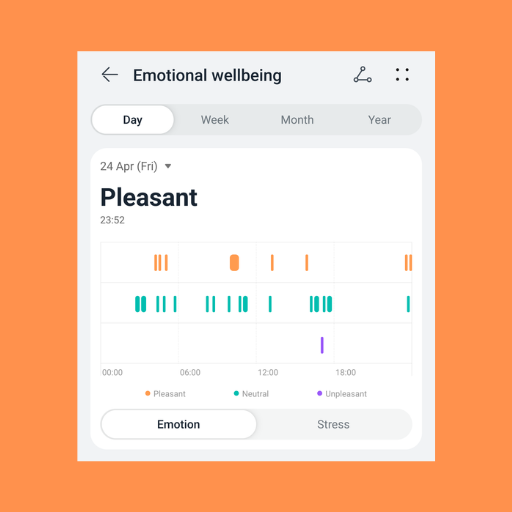
    A view of my emotions for the day.

    Recognising Early Warning Signs

    The watch is an amazing support tool, but like I mentioned earlier, remembering to actually review and use the data is key when it comes to maintaining your health and emotional balance. I wear it every day, and it’s also great for tracking sleep and exercise.

    “For me, tools like this aren’t a solution—but they’re a step toward awareness, and awareness is where change begins.”
  • Everyday Healing: My First Public Step To Managing My SAD

    Everyday Healing: My First Public Step To Managing My SAD

    I created this blog because I’ve learned something the hard way: when I’m unwell, the people I love tend to pull away and the white suits and emergency services come rushing for me, arrest me, lock me away and then when I’m well enough I’m set free to the community. It hurts my family and bleeds the system, when my family are gone for too long, I slip again. It’s a painful loop.

    Why I’m Sharing This

    So I’ve built this space for my family and friends — and for anyone else who wants to walk alongside me. Whether I’m having a good day or a really tough one, this is where you can quietly check in on me, anytime you like. No pressure, no awkward phone calls, just my honest updates.

    Being Open About It

    I won’t lie to you — I’m slightly uncomfortable about how much detail I’ll be sharing about my healing process. But I hope the honesty and commitment to this blog brings me some accountability, helping me stay focused and well.

    Living with Schizoaffective Disorder

    I’ve been carrying this psychiatric illnesses since I was 18, and I’m now 46 and have a permanent diagnosis of Schizoaffective disorder (SAD) is a lifelong ailment to manage. SAD is schizophrenia with bipolar — so I experience both the mood swings of mania and deep depression, plus psychotic symptoms that can happen even when my mood is stable. It distorts my reality so much it feels like I’m living in a parallel universe, and I do and say things that push family and friends away.

    Why This Blog Matters

    This blog is my way of staying connected even when I’m struggling. It’s my daily record of what I’m healing from, the supports, tools and techniques I use, and the small steps that make a difference.

    Everyday I hope to Chant a little Hope, remain well and focused.

    My Professional Support

    I’m currently under the care of my local Mental Health Centre. I have my own psychiatrist and case manager who check in on me every 4–6 weeks via telehealth because I live rurally. They make sure my medications are working and my moods stay stable so I can stay out of hospital. I’ve had many admissions — sometimes just a week or two, but if the meds aren’t right it can stretch to months.

    My Promise to Change

    When it comes to my mental health hospital admissions some have been my own fault, stress related, or tied to anniversaries or birthdays, when I’m feeling alone, or simply because the medications stopped working.

    It costs an awful lot of money to keep someone like me well and in the system, the hospital visits really take it’s toll on society to keep someone in that level of care, and that weighs on me heavily.

    I want to change, I no longer want to be a burden on society (not that I ever wanted to be in the first place). I want my family, friends and community to feel safe around me, and I want to be seen for the right reasons — to contribute, not just survive.

    If you’re reading this, thank you for being here. I hope this becomes a gentle bridge back to the people who matter to me, and helps me stay well for longer.

    Welcome to my blog Everyday Healing @ www.wellnessbms.com